
I built this because I know what it costs to have the wrong plan.
Chris Ford spent four years in college chasing a career he never entered. What happened next — and what he learned in a hospital pharmacy basement — is why Narrative exists.
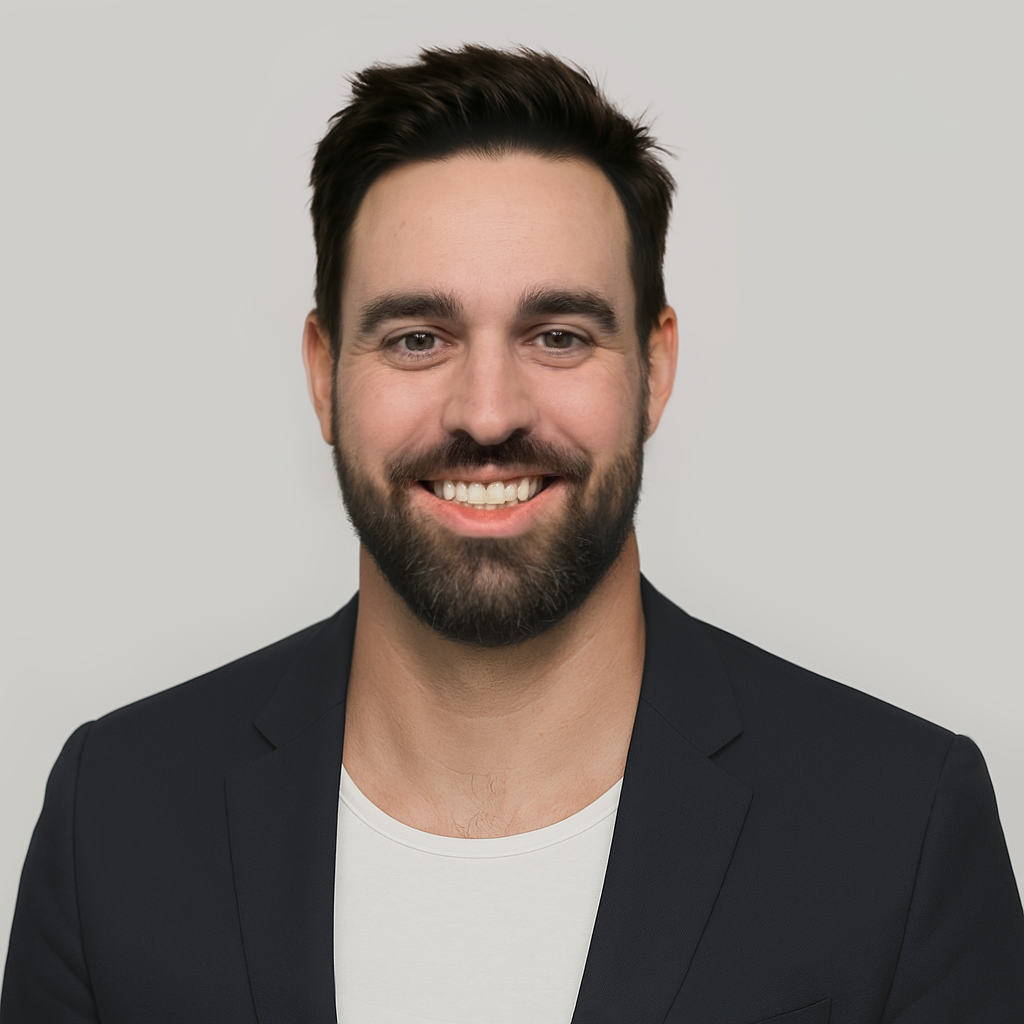
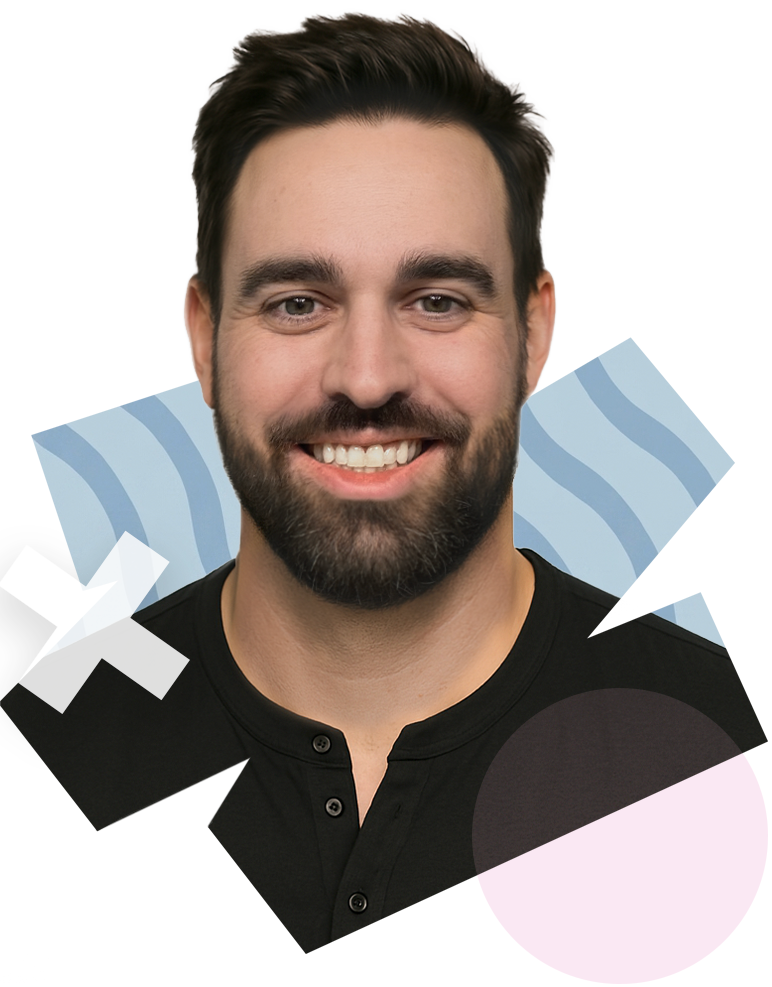
Four years. Multiple rejections. Then one call changed everything.
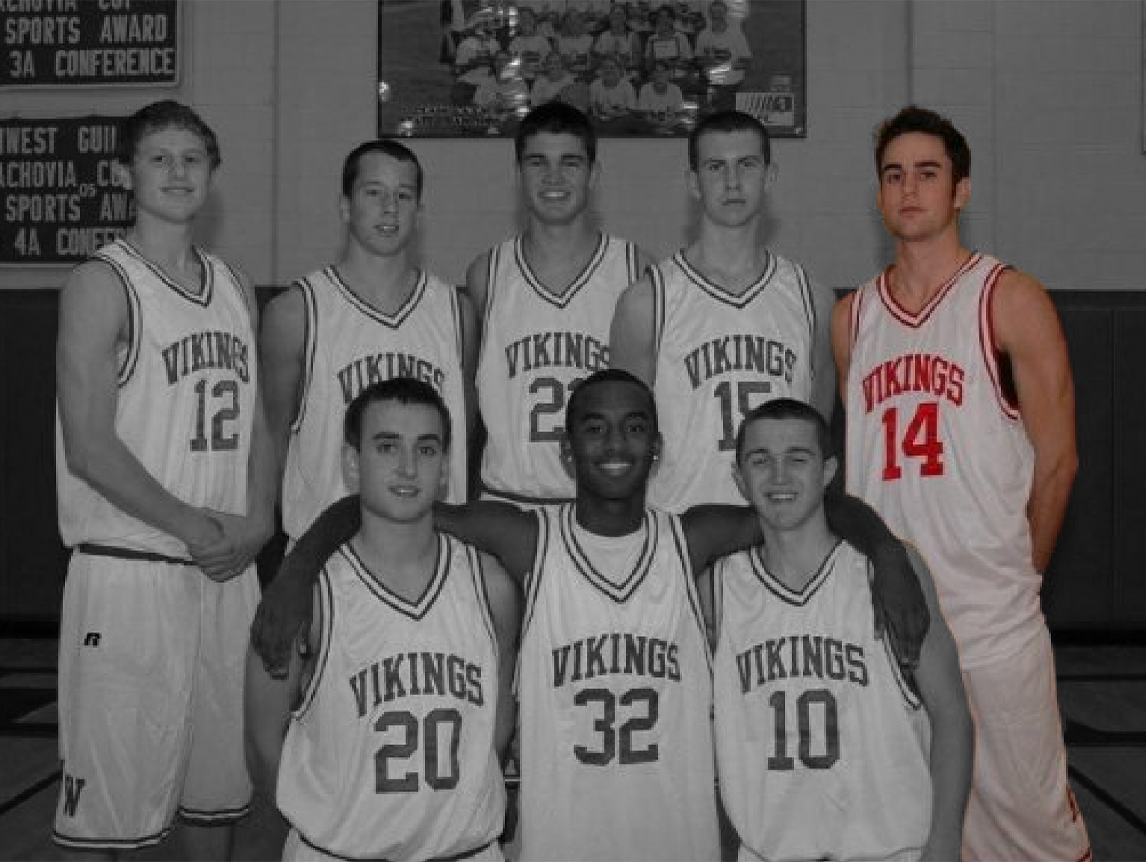
Basketball was my whole identity. Until it wasn't.
I spent my entire childhood chasing the league. 6'1", could shoot the lights out — and about 150 pounds soaking wet. The NBA was never happening, and the day I finally admitted it, the only identity I'd ever had shattered. It was all I knew.
But all those hours in the gym taught me one thing that stuck: the smallest details are what separate the great from the average. It wouldn't get me to the league — but it would make me dangerous at something else.
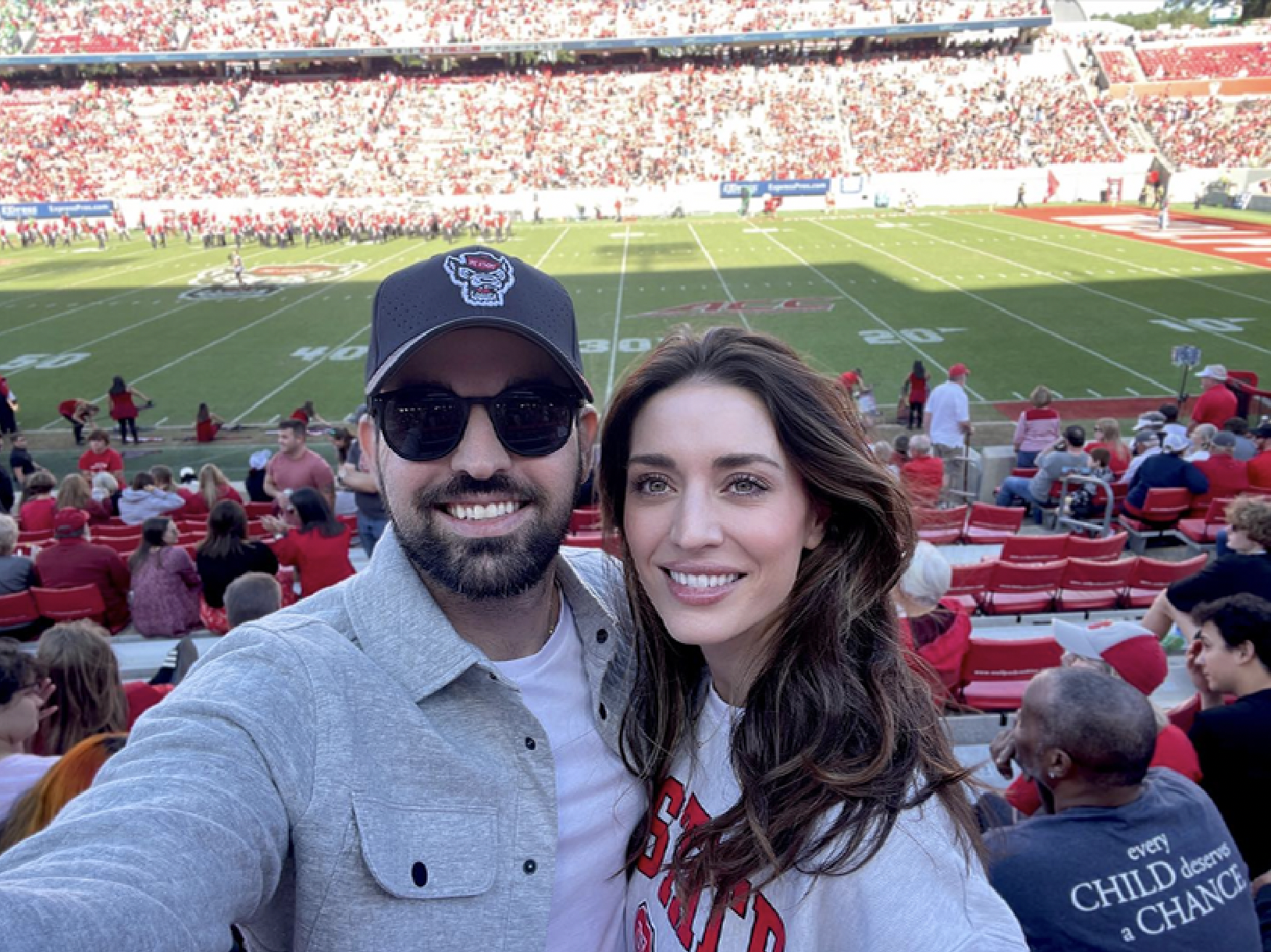
So I went to college to start over.
I showed up at NC State pre-med, chasing a brand-new dream: anesthesiology. It didn't take long to realize it was wildly expensive and probably out of reach — so I switched my focus to physical therapy and started volunteering at athletic recovery clinics. New plan. Felt solid.
I didn't really question it. That's what you do — pick a path, go to school for it, follow the plan. I didn't know anyone who'd done it any other way.

Then I found music.
My roommate left a MIDI keyboard lying around. I “borrowed” it, never gave it back, and started producing. I wrote songs, worked with artists, and fell hard for cadence, rhythm, and the craft of telling a story that makes people feel something. Two buddies and I even opened for a Nappy Roots concert with nothing but our own self-produced songs.
I didn't know it yet — but this, not the degree, was the skill that would change my life.

I graduated. Then PT school said no.
Four years flew by. I crossed the stage with a degree, a pile of debt — and then PT school rejected me. Just like that, the plan I'd built my life around was gone, and I was starting over. Again.
I had absolutely no idea what to do next. Nobody ever teaches you how to figure that out. The plan was supposed to work.

So I took a job in a hospital pharmacy basement.
No windows. No sunlight. Counting pills at 4:30 in the morning, with the slow, sinking realization that this could be the next forty years of my life if something didn't change.
I started firing off job applications — anything to get out. But I had no story, no direction, and no idea how to talk about myself in a way that made anyone care.
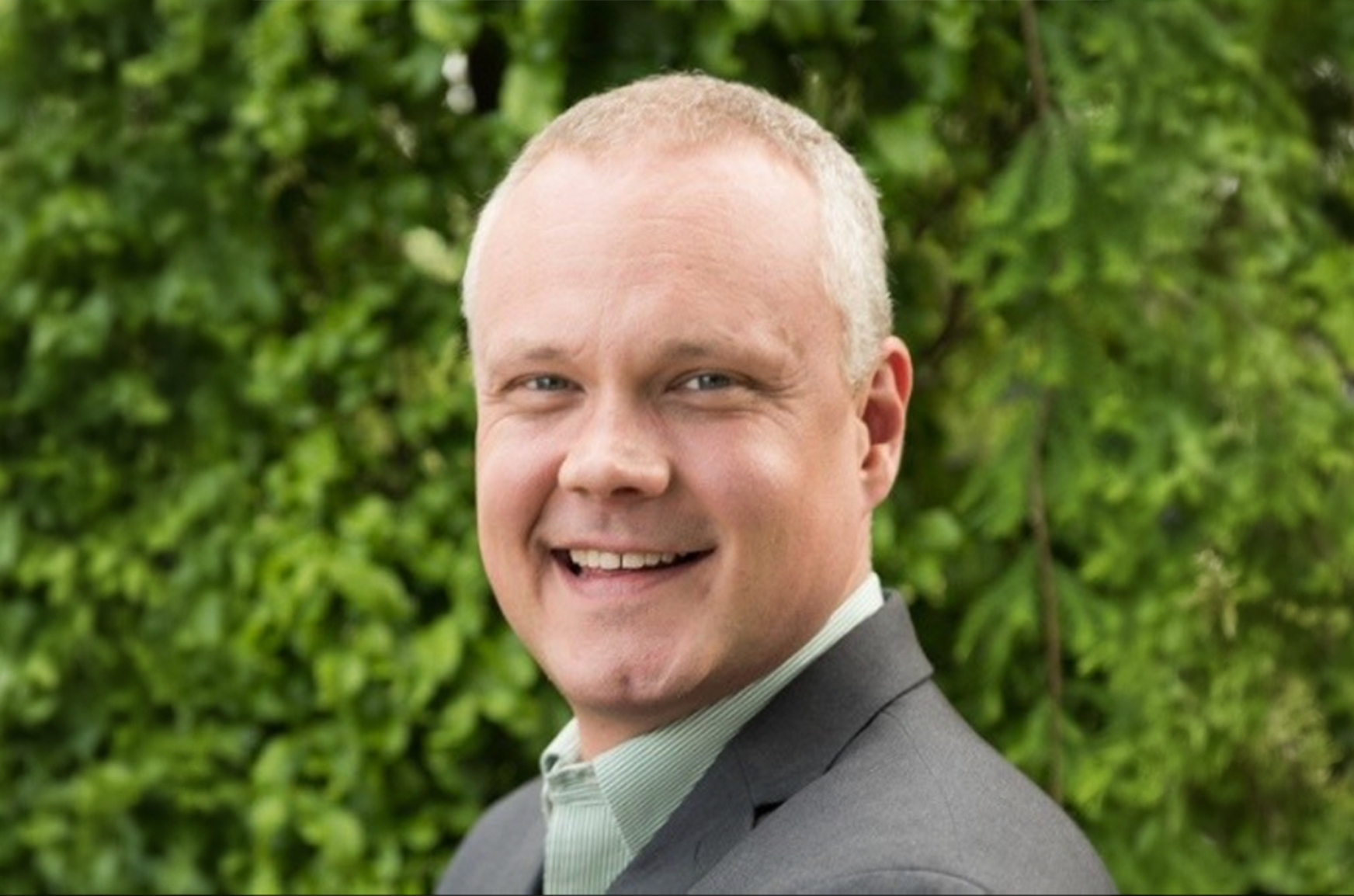
Then a stranger named Will Barfield called.
A recruiter. He'd stumbled onto my résumé and figured it was a long shot, but asked if I'd ever thought about tech sales. I had no idea what tech sales even was. I took the call anyway — anything beat counting pills at 4:30 a.m.
That one conversation set the course of the next decade of my life. Not a degree. Not a plan. One stranger who saw something on a page and picked up the phone. I got lucky. Most kids never get that call.

The phone felt like it weighed 250 pounds.
My first sales job: an SDR making 50 cold calls a day — to behavioral health clinics and correctional facilities. Yes, that means I spent my days cold-calling prison wardens. (No, they were not thrilled to hear from me.) I was terrified — my palms still clam up thinking about it.
But that job taught me the single most important skill of my career: how to grab a stranger's attention, hold it, and turn it into a yes. Attention is currency. And storytelling, I realized, was just selling — and selling was just storytelling.
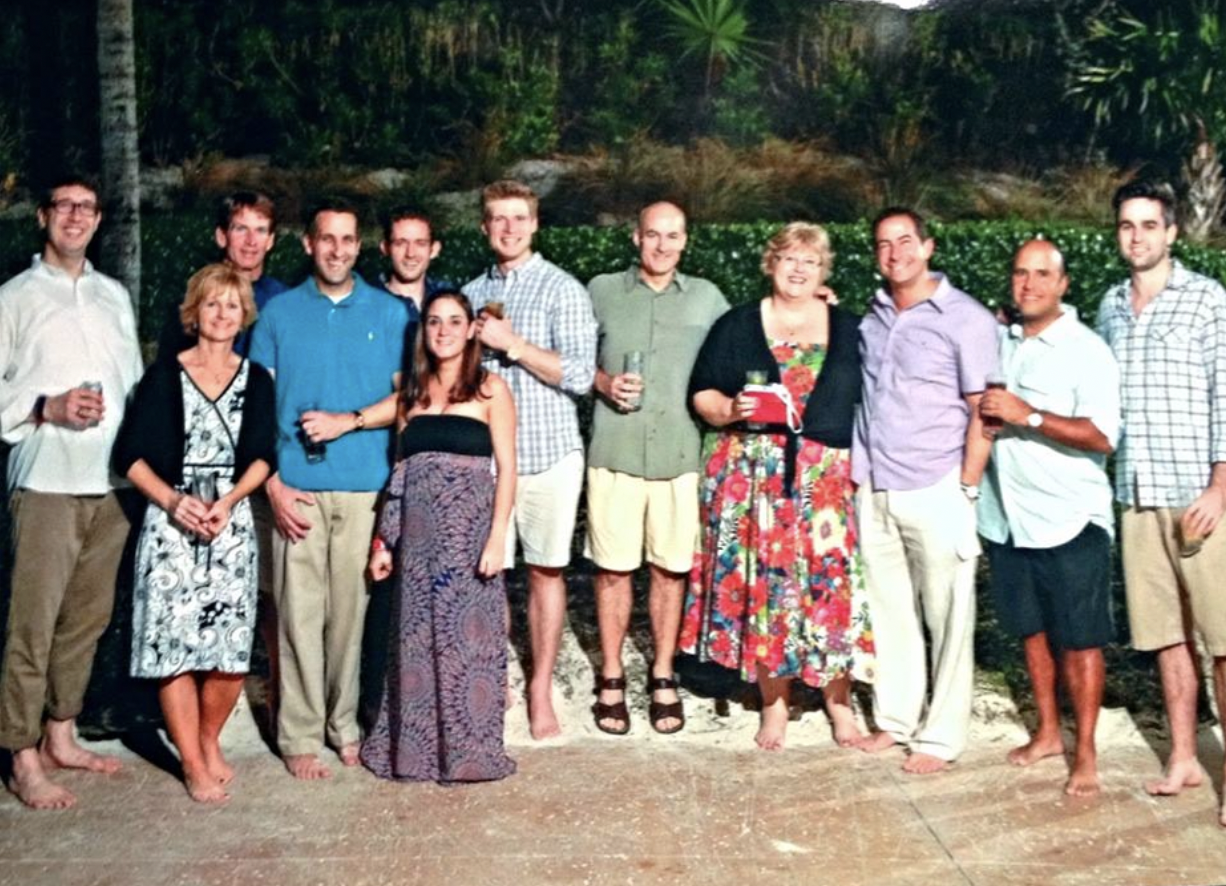
Then I climbed. Fast.
Account Executive selling to Fortune 500 CEOs. President's Club. I helped one company get acquired for $540M and another grow from a few million to $30M in two years. Along the way, I interviewed and hired thousands of people.
And I watched the same thing happen over and over: the most qualified person in the room rarely won. The one who could tell their story did. Every single time.
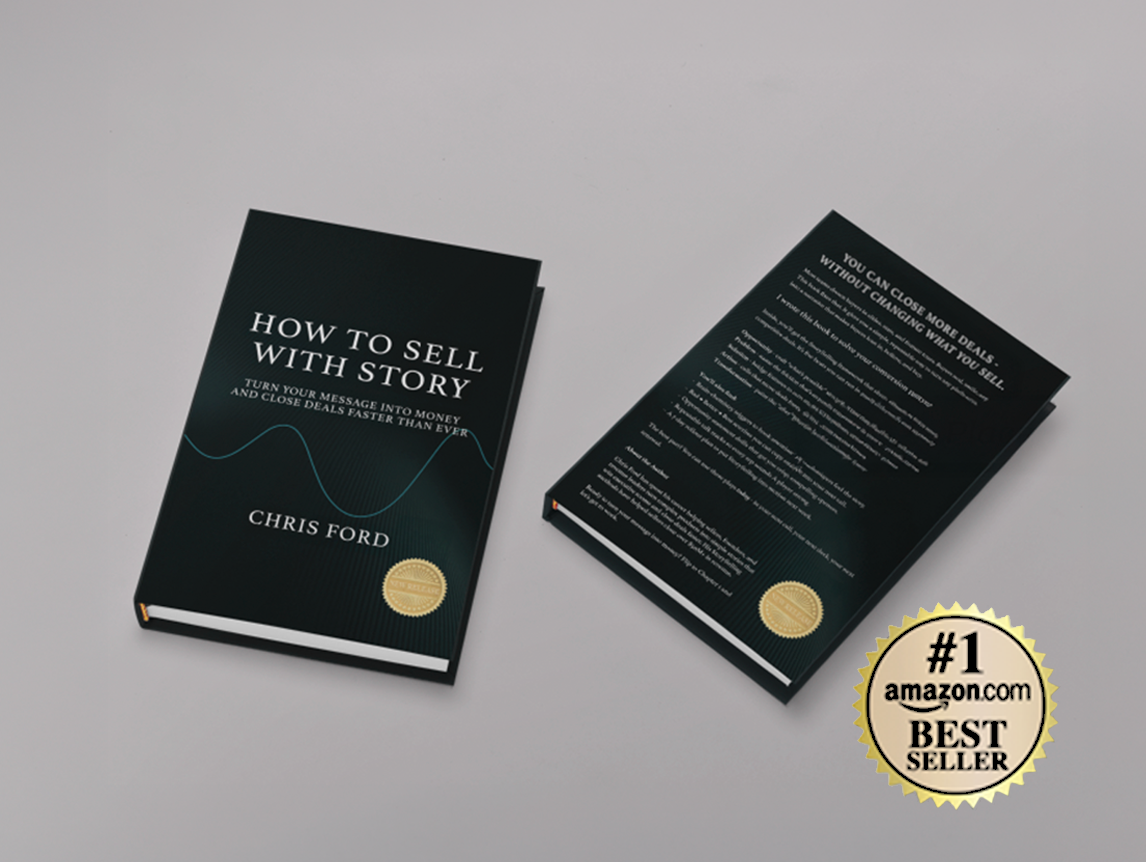
So I built the framework — and wrote a book.
I turned everything I'd learned into a repeatable storytelling framework, copyrighted it, and used it to drive over $28.6M in sales and shape go-to-market at companies that grew to billion-dollar valuations. I trained thousands of people on it. Then I wrote the book on it: How to Sell with Story.
None of it — not one dollar — came from my degree. It came from a skill nobody ever taught me, that I stumbled into by pure luck.
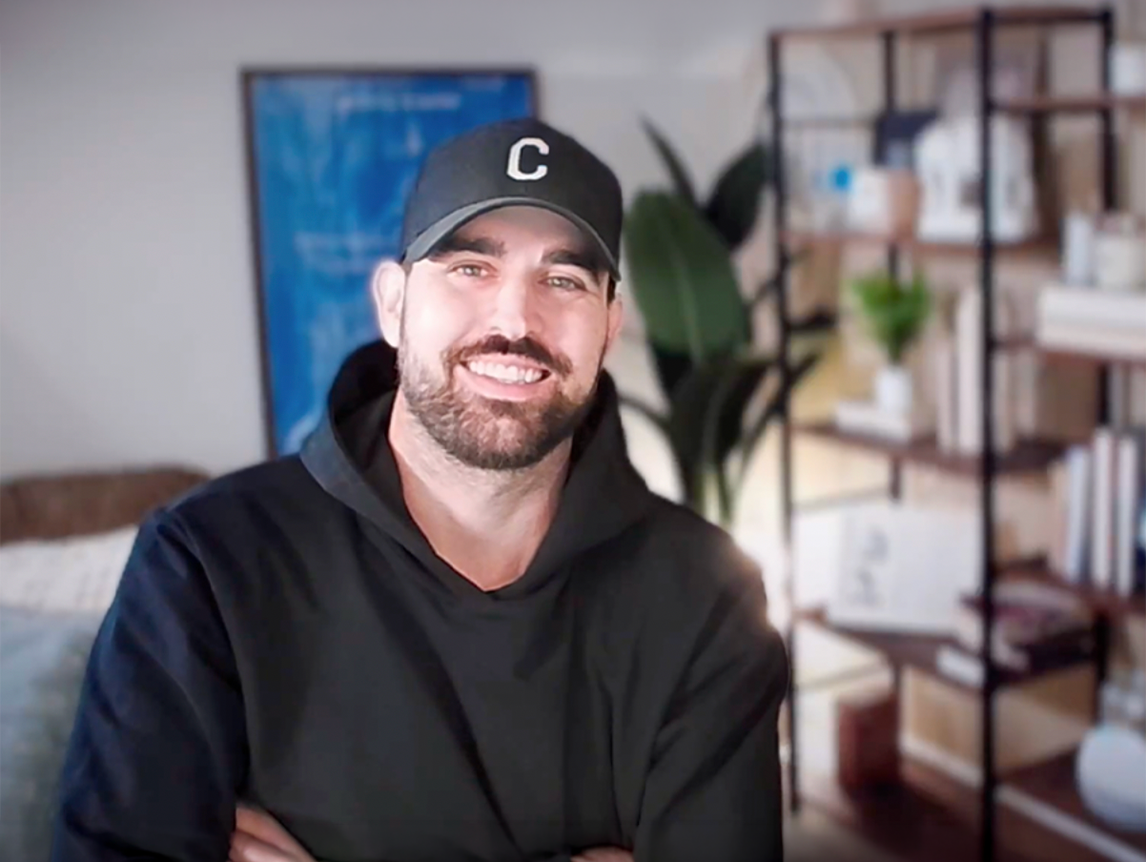
Now I teach it on purpose.
I spent a decade learning to tell a story that makes the right person say yes. So now I teach it — not only to founders or sellers, but to 16-to-21-year-olds standing exactly where I stood: capable, but invisible on paper, waiting to be picked.
I want every one of them to tell their story so clearly they're impossible to ignore. Capable kids shouldn't have to get lucky to be seen.
“That call from Will changed the course of my life. I didn't earn it — I got lucky. Narrative exists so your kid doesn't have to.”
Every student who comes to Narrative works directly with me — not handed off to a staff coach or a junior hire. When you invest in Narrative, you get the person who built it.
“The thing that changed my life wasn't a degree. It was one person who took a shot on me. I built Narrative so your kid doesn't have to wait for a lucky phone call.”
The same skill, now pointed at your kid.
Everything Chris learned closing enterprise deals is the exact thing he now teaches 16–21 year olds — so the right person finally says yes to them.
Don't let your kid's story be left to luck.